
ANXIÉTÉ & SURCHARGE
Fear of flying: understanding your fear and taking flight again
By Etienne DUPONT · Published on · 1 min read
Sweaty palms as soon as you book, sleepless nights before departure, holidays ruined or cancelled altogether: fear of flying is very common. It can be treated effectively.
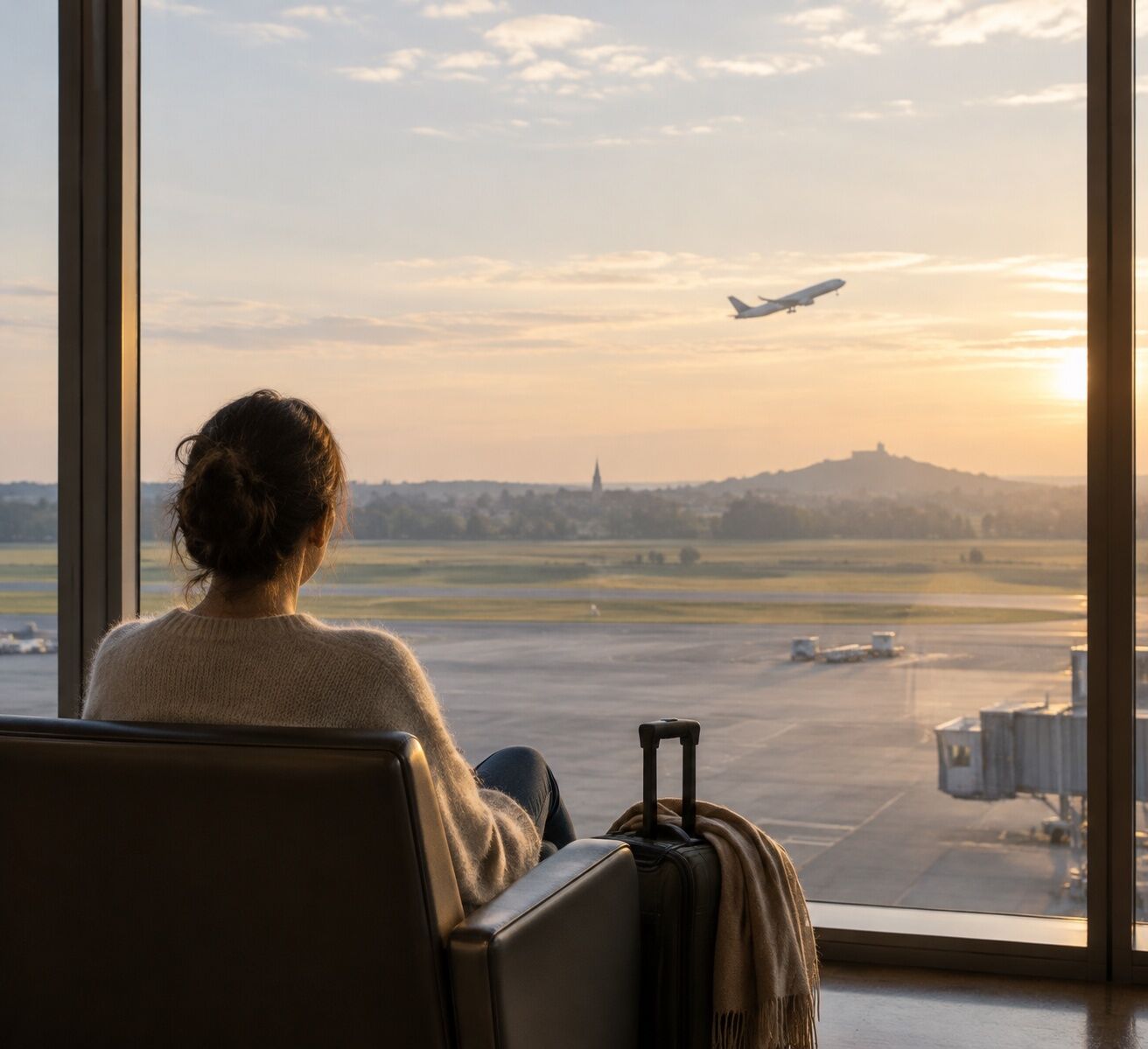
A fear with many faces
Behind a fear of flying often lie different anxieties: fear of a crash, fear of being trapped with no way out, fear of having a panic attack in front of others, fear of heights or turbulence, or a feeling of losing control. Identifying your specific fear is the first step.
What fuels it
Avoidance offers short-term relief but reinforces the fear. Heavily publicised images of crashes create an impression of danger that is far greater than the actual risk. And during the flight, every unfamiliar noise is interpreted as a sign of danger.
Preparing for a flight
Learning about how an aircraft works and the normal sounds of a flight helps considerably. Choosing a seat over the wings, where movement is felt less, and letting the cabin crew know can be reassuring. During the flight, heart coherence breathing and the 5-4-3-2-1 grounding technique help you navigate difficult moments. Avoid alcohol, which increases anxiety at altitude.
Effective approaches
Cognitive behavioural therapy, combined with gradual exposure, yields good results. Hypnotherapy and EMDR, particularly if the fear stems from a difficult flight, are also used. Some airlines and airports offer dedicated courses featuring a pilot and a psychologist.
Etienne DUPONT
This article provides general information, not a diagnosis or personal medical advice. If a difficulty persists or affects your daily life, talk to a qualified health professional.