
SELF-ESTEEM
Accepting getting older: making peace with the passing of time
By Etienne DUPONT · Published on · 2 min read
A photograph where you barely recognise yourself, an aching knee, a milestone birthday. Ageing is a privilege, yet it is not always easy to accept in a society that prizes youth.
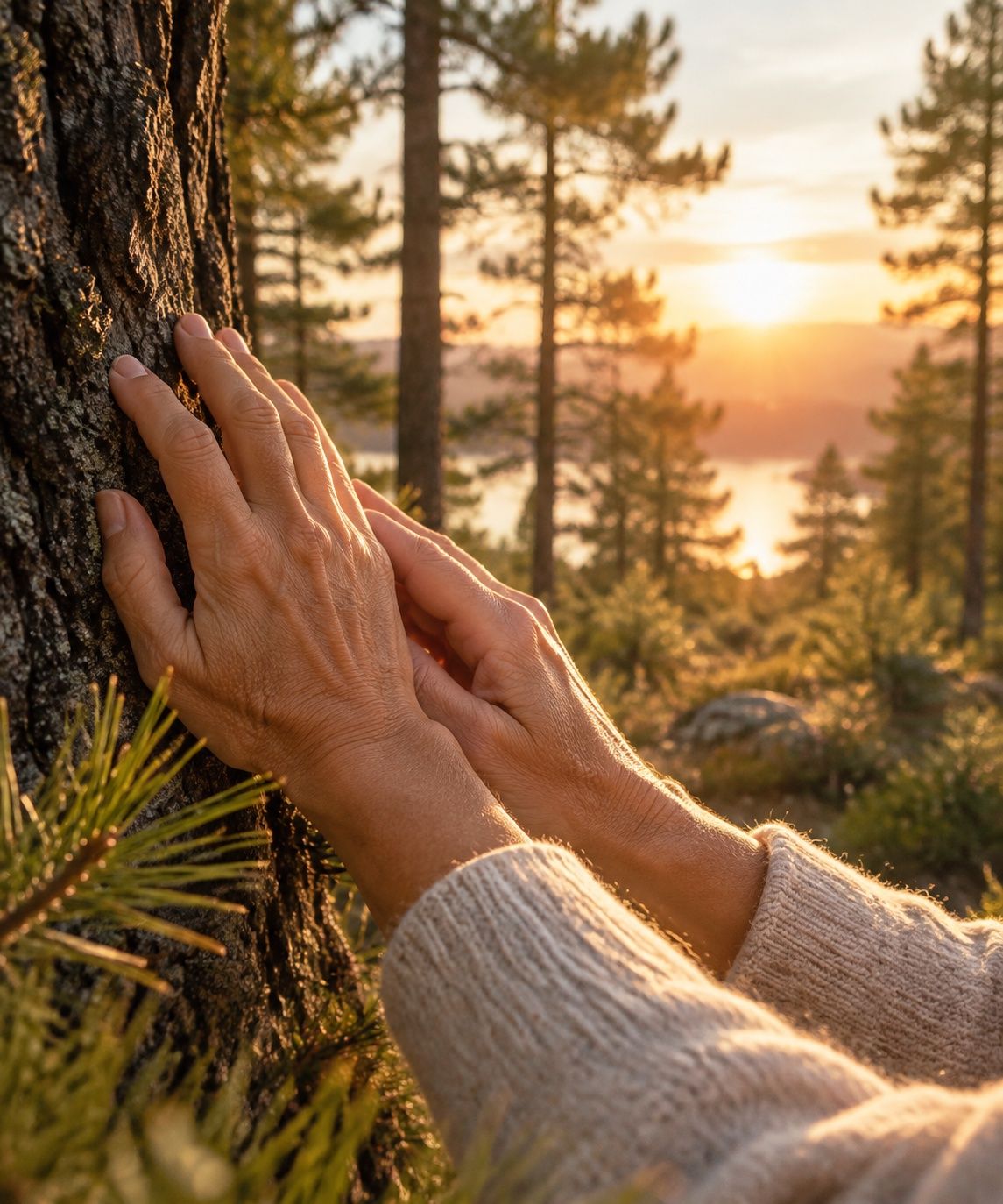
What can feel difficult
- Changes to the body and physical appearance.
- A decrease in energy and physical abilities.
- Society's gaze, at times condescending or indifferent.
- A sharper awareness of the time that remains.
- Accumulating losses: loved ones, roles, future plans.
What can grow richer
With age often comes a deeper self-knowledge, an ability to put things into perspective, a newfound freedom from the opinions of others, and greater attention to what genuinely matters. Several studies also suggest that life satisfaction tends to rise again after midlife.
Shifting perspective
How we perceive old age directly influences how we experience it. People with a more positive outlook on ageing often take better care of themselves and stay more active. It is not about denying the challenges, but about not reducing this stage of life merely to what is lost.
Ways to age well
- Keep moving, at your own pace.
- Maintain and nurture social connections across all generations.
- Keep learning: a language, an instrument, or a new activity.
- Hold on to plans and projects, both small and large.
- Look after your health without letting it become an obsession.
- Pass things on: your experience, your stories, your practical knowledge.
Self-image
Learning to make peace with your reflection takes time. Choosing clothes in which you feel comfortable, looking at yourself with greater kindness, and remembering that a face also carries the marks of laughter and lived experience all help you reconcile with your appearance.
Etienne DUPONT
This article provides general information, not a diagnosis or personal medical advice. If a difficulty persists or affects your daily life, talk to a qualified health professional.